Computer Vision in Healthcare: Real-World Applications
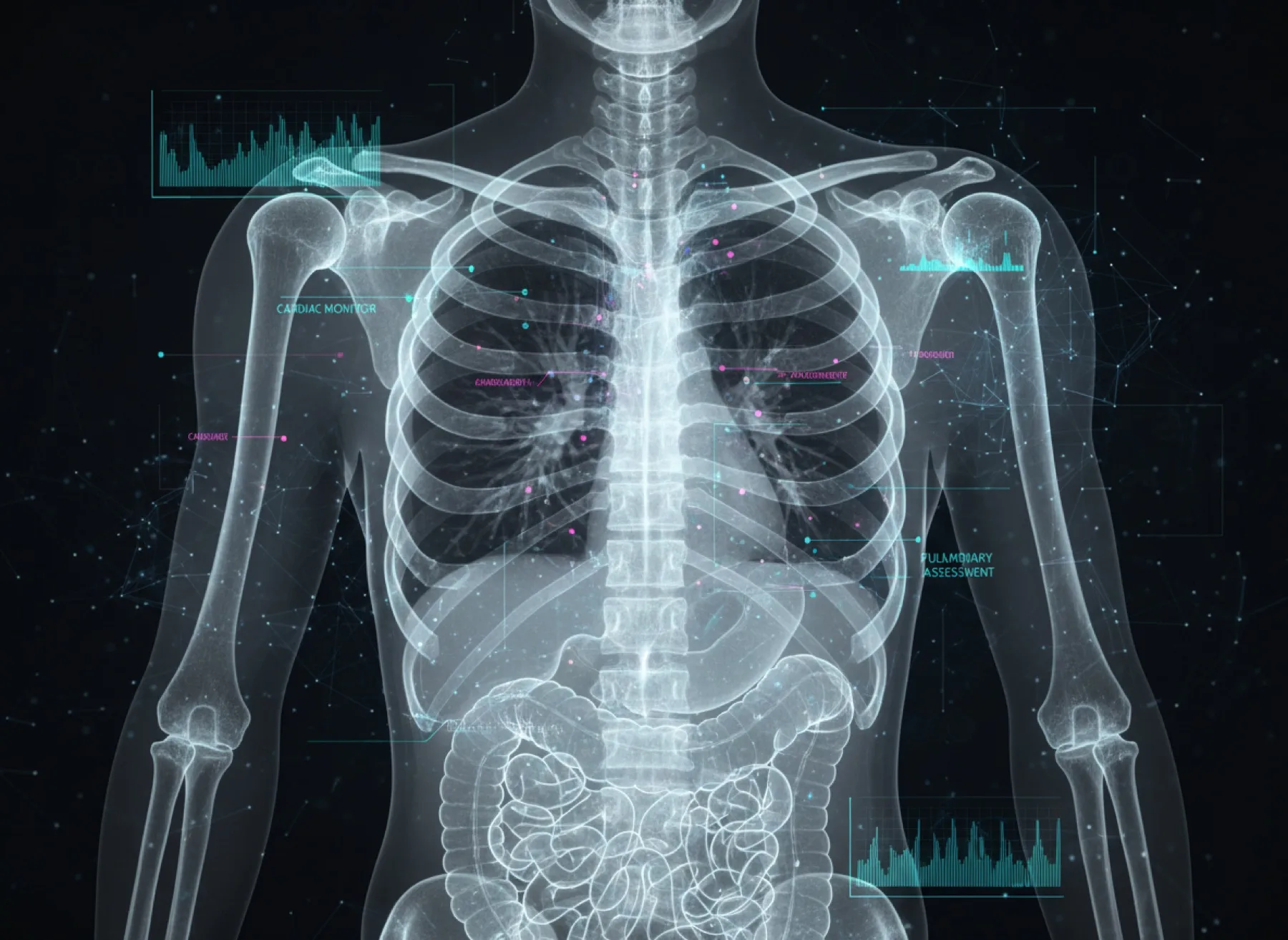
Computer vision is reshaping diagnostics by augmenting clinicians with high-accuracy, high-speed decision support. Radiology workflows now include AI-assisted triage that flags critical findings like pneumothorax within seconds, reducing time-to-treatment. Dermatology models can pre-screen skin lesions with consistency that rivals specialists, helping prioritize cases without replacing clinical judgment.
Regulatory readiness is essential in healthcare. Datasets must be diverse and de-identified, with strong provenance and bias assessments across demographics. Explainability matters: saliency maps, counterfactuals, and calibration reports give clinicians confidence in model outputs and help regulators evaluate safety. Human-in-the-loop review remains part of the standard operating procedure.
Edge and near-edge deployment are gaining traction to protect patient privacy and reduce latency. Compact models running on secure hospital hardware can process images without sending PHI to the cloud. When cloud resources are required, encryption, strict access controls, and signed artifacts keep the pipeline compliant with HIPAA and GDPR.
Operational success hinges on integration. Seamless PACS/EHR connectivity, audit logging, and clear escalation paths ensure AI fits into existing clinical workflows. High availability with failover plans prevents AI outages from impacting care. The result is a safer, faster, and more equitable patient experience.